CFTC’s Pham lays out ‘durable and flexible’ approach to technology regulation
18th November, 2025
The interim chair of the US Commodity Futures Trading Commission (CFTC) has backed a more supportive framework for technology-led entrants, as the agency finalises a series of new initiatives aimed at attracting new trading venues.
Speaking at the FIA Expo event in Chicago on Tuesday, Caroline Pham said US market supervisors should bear in mind issues that sprang from the enactment of the Dodd-Frank reforms in 2010 as they look to bring new markets into regulatory control.
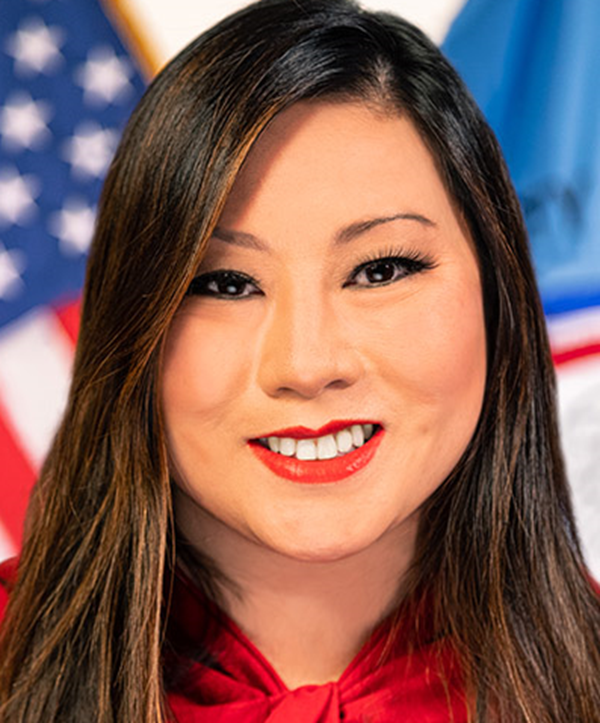
“I have long advocated that simplicity is the solution, and that the US must have a durable and flexible approach to regulation that will keep up with continuing innovation and stand the test of time,” Pham (pictured) said. “I have cautioned that we must take to heart the lessons learned from the Dodd-Frank Act which had unintended consequences such as creating regulatory moats and market fragmentation.
“This means relying upon technology-neutral regulations that do not have to be continually rewritten to keep up with innovation, and activity-based regulations that do not require burdensome and costly entity registration requirements that stifle competition by raising the gate to new entrants with less capital - like startups and entrepreneurs.”
“Together the SEC and CFTC have embarked on a new beginning for co-ordination between our agencies,” Pham said at the event. “We will work together to harness our nation’s unique regulatory structure into a source of strength for market participants, investors and all Americans.
“To the extent possible and appropriate in the public interest, and under existing statues, our agencies will consider harmonising product and venue definitions, streamlining reporting and data standards, aligning capital and margin frameworks, and standing up co-ordinated innovation exemptions using existing authority.”
The SEC jointly hosted an event with the CFTC aimed at harmonising rules and increasing co-operation at the end of September. Both agencies have launched programmes aimed at clarifying and issuing rules aimed at cryptocurrency markets. Pham said that one component, listed spot cryptocurrency trading, will likely have rules and guidance finished by the end of the year – including for designated contract markets (DCMs) and futures commission merchants (FCMs) that support clearing on regulated exchanges.
“One of the things that is interesting I think about doing listed spot crypto trading on our DCMs is that the leverage can be provided by an FCM similar to a prime broker, and so the trade workflow may look similar to cash equities,” she added. “I encourage everyone to continue to monitor the developments in our markets and to feel free to reach out to our staff or to submit comments as we continue to see how these new products develop.”
Michael Selig – the nominee to permanently chair the US CFTC – is due to have his confirmation hearing on Wednesday. Pham, who became interim chair in January and is currently the sole serving commissioner, in May said she would leave the post when a permanent replacement is in place.