Gary Gensler files amicus brief against CFTC’s authority over prediction markets
15th June, 2026
Former Commodity Futures Trading Commission (CFTC) chair Gary Gensler told CNBC Congress didn’t intend the US futures and swaps watchdog to regulate event contracts on sports and gaming when it introduced the Dodd Frank Act in 2010.
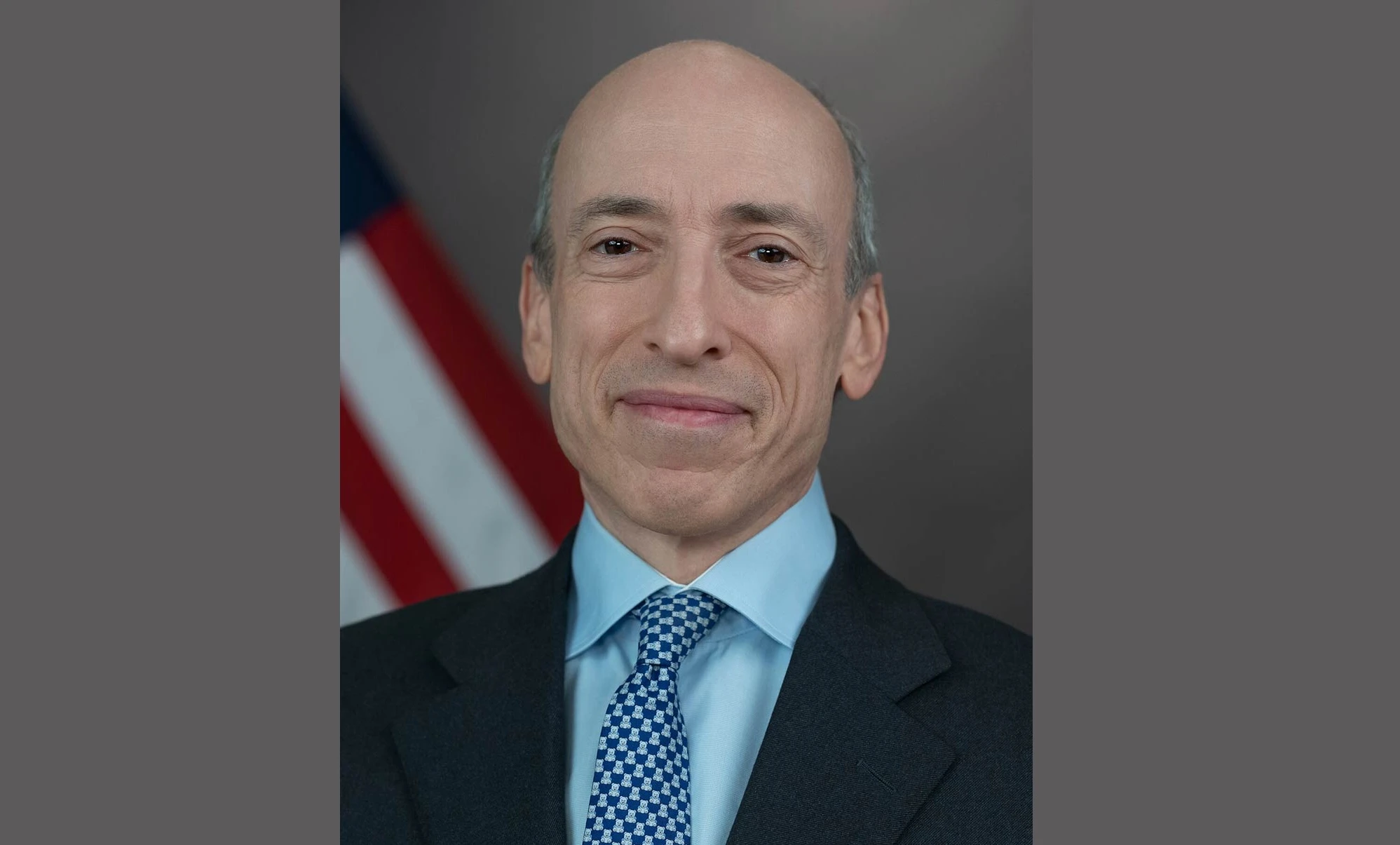
Gensler (pictured) filed an amicus brief in the Sixth Circuit of Appeals on Thursday in an ongoing case involving Kalshi's sports-related betting contracts. He argued that the federal law does not grant the CFTC the authority to oversee or regulate sports prediction markets.
The former chief of CFTC and the Securities and Exchange Commission (SEC) said CFTC is an agency that was set up to regulate agricultural, energy and interest rate derivatives, but not to oversee ‘millions of transactions’ involving sports betting.
He said the emphasis after the 2008 global financial crisis was on regulating credit default swaps (CDS) and interest rate derivative and was never about gaming or sports prediction markets.
Speaking to the media outlet on Thursday, Gensler turned down CFTC’s argument that it can have exclusive authority over sports betting while manipulative contracts will be prohibited from being listed. He opined that the CFTC is fighting to reverse the proposals agreed by the Congress in 2011 to prohibit “agreements, contracts or transactions listed on assassination, war, terrorism, gaming and unlawful acts”.
“If you look at Kalshi or Polymarket, the majority of their revenue comes from sports betting and they compete with FanDuel and DraftKings.”
Gensler said states should be able to regulate sports betting, though 11 states currently prohibit wagering on sporting events, and a few other states have imposed conditions that people can bet on sports once they turn 21 and not 18.
“There are legitimate concerns around the age limit while betting on sports events as is its linked to addiction. Let the states sort that out.”
He said if it’s harder to deal with insider trading in stock markets, it’s “very much” harder in prediction markets and nobody in the government should be allowed to trade on events related to administrative outcomes.
The CFTC on Wednesday proposed a formal framework for reviewing event contracts linked to activities such as gaming, war and terrorism, as the regulator seeks to clarify oversight of the rapidly growing prediction markets sector.
Kalshi last week said it introduced market integrity measures based on a report from the independent Surveillance Audit Committee, which was formed by Kalshi in partnership with Solidus Labs in February.
The New Mexico Department of Justice filed a lawsuit against the US-based prediction market Kalshi alleging the company is unlawfully offering online sports betting in the state while attempting to evade its gaming laws.
Related topics
Related Articles
All Insights11th September, 2026
WFE endorses move toward round-the-clock trading in the US
The World Federation of Exchanges (WFE) backed the Securities and Exchange Commission’s (SEC) 24-hour trading discussions to boost global investor access to highly liquid US markets but cautioned against global use.
Aravind Bulusu
11th September, 2026
ProphetX partners with Agg to roll out blockchain enabled event contracts
The US-based prediction markets platform said every contract in its full suite of event contracts is now accessible through Agg Market's Solana-based integration, with 100% market coverage from day one.
Aravind Bulusu

11th September, 2026
CFTC to explore agricultural prediction markets, 24/7 trading and AI at October meeting
The Commodity Futures Trading Commossion’s (CFTC) October agricultural futures event will bring together executives from Kalshi, Polymarket, CME Group, Intercontinental Exchange (ICE), Goldman Sachs and major agricultural firms to examine how prediction markets, artificial intelligence and new trading models are reshaping derivatives.
Narayani Srinivasan