FOW Learning: Understanding electronic trading in derivatives markets
14th April, 2026
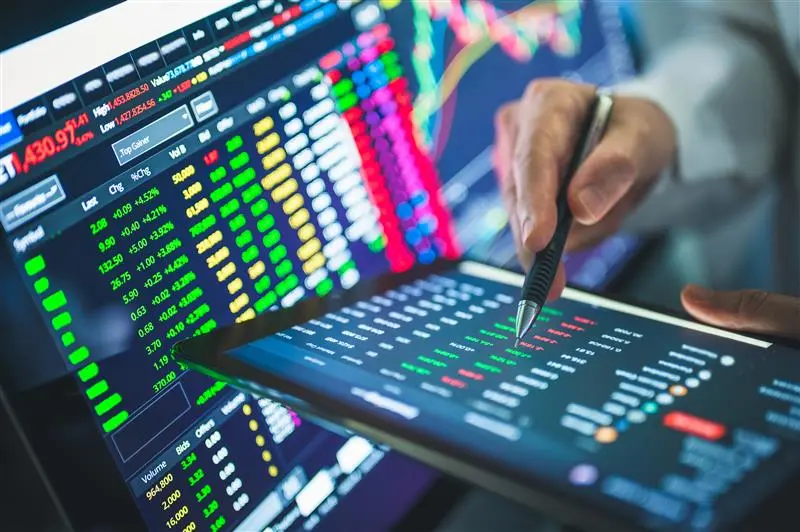
Explore electronic trading in derivatives markets, its benefits and risks, and the crucial role of reference data and symbology in ensuring accuracy and efficiency.
Electronic Trading: How it works and why accurate data matters
Electronic trading has transformed how futures and options are bought and sold, with financial markets today relying on interactions executed via fast, highly connected electronic trading systems.
This has made trading both faster and more efficient, but also altered the ways in which key players, including derivatives traders, investors, and analysts interact with the market.
Even the most advanced electronic trading platforms, however, rely on accurate reference data and correctly mapped symbols. Errors can grow through systems, leading to trade errors, mispricing and compliance risks.
As a leading provider of market intelligence, reference data and symbology for exchange-traded futures and options, we see how electronic trading depends on clean, consistent instrument data.
In this article, we’ll look at what electronic trading is, from its benefits and risks to its mechanics and the role that reference data and symbology play.
What is electronic trading?
Electronic trading,in derivatives markets, is the process of buying and selling financial derivatives using computerised systems rather than traditional floor-based methods.
It involves trading on electronic trading platforms and through electronic trading systems, offering speed, efficiency and transparency at a level that previously wasn’t possible.
Among the key aspects of electronic trading are the following:
Centralised or decentralised order execution: Orders can be routed to multiple exchanges or executed directly.
Integration with multiple venues: Traders can access futures, options and other derivatives across global markets.
Support for auto trading and algorithmic strategies: Advanced electronic trading systems facilitate automated strategies and smart order routing.
Streamlined e-trading business operations: This reduces manual errors and operational bottlenecks for trading firms.
Compared to traditional trading, electronic trading offers real-time market data and pricing, faster execution of trades, improved reporting and compliance capability and the ability to scale trading strategies to high volumes.
How does electronic trading work?
Electronic trading relies on connectivity, software and algorithms, with traders sending orders directly to exchanges or electronic communication networks (ECNs) through broker platforms. The process follows four key steps:
Order creation: Traders input orders via an electronic trading platform, specifying size, instruments and execution preferences.
Order routing: The electronic trading system sends the order to the appropriate venue (an exchange, ECN or alternative facility) based on the trader’s instructions and the firm’s routing logic.
Execution: Orders are matched and executed based on market rules, with high-speed algorithms sometimes splitting orders to optimise execution.
Confirmation: Confirmations of execution are sent back to the trader and recorded internally.
Both electronic trading platforms and systems play key roles, but there are differences between the two:
Electronic trading platforms provide the user interface for placing orders, monitoring market data and generating reports.
In contrast, electronic trading systems include the underlying software and algorithms that execute trades, automate strategies and mitigate risk. These systems may enable auto trading, direct market access and smart order routing.
Electronic trading and market structure in derivatives
Electronic trading in derivatives operates within a broader market structure that connects trading venues, clearing houses and post-trade systems. Most futures and options are traded on regulated exchanges that use a central limit order book, where buy and sell orders are matched based on price and time priority.
Through electronic trading platforms, market participants can access multiple venues simultaneously, including exchanges and ECNs. This connectivity gives traders the opportunity to compare liquidity, manage execution quality and implement cross-market strategies.
Once a trade is executed, it moves through clearing and settlement processes that are managed by central counterparties (CCPs). These reduce counterparty risk and ensure that both sides of the transaction meet their obligations.
Because different systems often use different identifiers, consistent reference data and accurate symbology mapping are essential. Without a standardised view of each instrument across venues and post-trade workflows, parties may encounter reconciliation issues, inaccurate reporting or failed processing.
Exploring reference data and symbology mapping
Accurate reference data and symbology are vital to ensure settlement, regulatory compliance and operational efficiency.
Reference data refers to standardised information about financial instruments, including contract specifications, exchange codes, instrument identifiers, expiration dates and settlement details. Symbology mapping is the process of translating or linking unique product identifiers used by different exchanges, vendors, and trading platforms into a standardised format to ensure consistency across all systems.
Without accurate reference data and symbology, automated strategies might execute incorrectly, trades could be mispriced or rejected, reporting could be inaccurate, and efficiency across all operations could be affected. For example, if a system uses the wrong expiry code for a futures contract, an algorithm could trade the wrong month altogether.
Firms aiming to strengthen their operational resilience can explore FOW’s Symbology service and Data Solutions, which provide reliable, up-to-date reference data designed to support front, middle and back-office workflows.
The role of AI and automation in electronic trading
Increasingly, strategies are being driven by artificial intelligence and automation. These systems can analyse huge volumes of market data, identify opportunities and execute trades at speeds faster than humans are capable of. However, the effectiveness of auto trading relies on the quality of the underlying reference data and correctly mapped symbols.
In AI-driven electronic trading, historical reference data is used to train predictive models. If expiry dates, tick sizes, or contract specifications aren’t accurate, back testing results can become unreliable. This may create false confidence in strategies before they’re deployed live.
If a trading system receives inaccurate or inconsistent data, even extremely advanced AI algorithms can make flawed decisions. For example, an outdated identifier or misaligned symbol could lead to inaccurate trades, mispricing, or reporting mistakes.
As explored further in this article, ‘Garbage In, Garbage Out: The imperative for accurate data in an AI-driven world’, the reliability of AI-driven trading depends on the integrity of the underlying data inputs.
By maintaining clean, standardised reference data, automated and AI-driven strategies are able to operate on reliable inputs, improving model accuracy, reducing operational risk and supporting consistent execution across the entire trading lifecycle.
Benefits of electronic trading
Electronic trading offers a number of advantages over manual trading methods, making it the standard choice for modern derivatives markets. They include the following:
Speed: Trades can be executed in milliseconds, giving parties the opportunity to respond to market changes instantly.
Efficiency: Electronic trading leads to fewer operational errors and lower transaction costs, improving profitability.
Transparency: Participants have real-time visibility of order books, pricing and liquidity.
Liquidity: Access to global exchanges increases market depth and efficiency.
Scalability: It supports high-volume strategies, including both algorithmic and automated trading.
Taken together, these benefits don’t just improve individual trading performance, but also improve market efficiency more generally, ensuring smoother price discovery and better risk management.
The potential risks of electronic trading
While the benefits of electronic trading can’t be overstated, there are also some potential risks to keep in mind, including the following:
Technical failures: With the nature of technology, trading may occasionally be disrupted by issues like connectivity problems, latency and system downtime, particularly during periods of high market activity.
Data errors: In the case of poor reference data, this can lead to mispricing or incorrect trades.
Cybersecurity threats: Trading platforms can be targets for hacking, cyberattacks and manipulation.
Market risks: Automated trading strategies may exacerbate volatility during times of stress in the market.
These risks can be mitigated, however, with robust systems, accurate reference data, and careful monitoring of trading algorithms.
Regulation and reporting in electronic trading
Electronic trading in derivatives takes place within a highly regulated environment, where firms are required to report transactions accurately and maintain clear records of their trading activity. Regulations such as MiFID II in Europe and reporting requirements from regulators, including the CFTC and ESMA, place significant emphasis on transparency, auditability and data integrity.
Accurate reference data and symbology play a critical role in meeting these obligations, particularly as regulators push for greater standardisation through identifiers such as Unique Product Identifiers (UPIs) and Unique Transaction Identifiers (UTIs). If instruments are incorrectly identified or mapped inconsistently across all systems, transaction reports may contain errors, positions may be misrepresented and reconciliation processes can become complex and time-consuming.
As trading volumes increase and strategies become more automated, the operational burden of managing instrument data also grows. Standardised, high-quality reference data helps firms streamline regulatory reporting, reduce the risk of compliance breaches and maintain a clear, consistent view of exposures across markets.
In an electronic trading environment where speed is measured in milliseconds, operational accuracy remains essential.
How to make the most of electronic trading
Electronic trading has reshaped derivatives markets with extra speed, transparency and efficiency. However, accurate reference data and symbology mapping are vital to maximise the benefits of error-free electronic trading.
Among the best practices for maximising the value of electronic trading include:
Standardising symbology across systems to ensure consistent instrument identification from the front office through to clearing and reporting.
Integrating reliable data will feed directly into electronic trading platforms and risk systems.
Monitoring contract lifecycle events, such as new listings, expiries, and product changes, to prevent disruptions to automated strategies.
Regularly validating reference data to reduce the risk of mispricing, rejected trades or reconciliation breaks.
Testing automated and algorithmic strategies using verified historical data before they’re deployed.
FOW’s Symbology service and Data Solutions give traders, analysts and strategists the tools and insights needed for electronic trading, with consistent instrument identification and comprehensive data.
By making use of these resources, firms and individuals can ensure accuracy, regulatory compliance and strategic agility in the fast-moving world of electronic trading.
Frequently asked questions
What is the difference between electronic and manual trading?
Electronic trading uses computerised platforms and systems for order execution, whereas manual trading relies on traditional floor-based methods and phone calls. As a result, electronic trading is faster, more efficient, more transparent and easily scalable.
How do electronic trading platforms and systems differ?
Platforms provide the interface for placing orders and monitoring the market. In contrast, systems execute trades, manage risk and automate strategies.
Why is reference data so important in derivatives trading?
Reference data helps ensure that all instruments are identified correctly and mapped across systems. Accurate data prevents mispricing, errors in trades and regulatory or compliance breaches.
What risks are associated with electronic trading?
Risks of electronic trading include technical failure, data errors, cybersecurity threats and market volatility. However, firms and individuals can mitigate these risks through robust systems and accurate data.
What role does electronic trading play in risk management?
Electronic trading platforms and systems provide monitoring of positions, exposure and market movements in real time. Combined with accurate reference data, they allow traders and firms to implement risk controls, enforce limits and react quickly to market volatility. This reduces the likelihood of expensive errors or unexpected losses.
Related Articles
All Insights17th June, 2026
Silicon Data’s Carmen Li details practicalities of GPU futures market
The executive said that the index provider follows a complex mathematical procedure to identify factors driving price differentiation among graphics processing units (GPUs) and to calculate a reference price suitable for correlation.
Aravind Bulusu

16th June, 2026
Abaxx expands market data distribution through LSEG
The Singapore-based exchange has integrated its pricing data with the London Stock Exchange Group (LSEG) analytics platform to allow institutional clients access to Abaxx market data alongside other global commodities benchmarks.
Aravind Bulusu

16th June, 2026
ICE, Eurex signal push into ‘economic indicator’ contracts – IDX 2026
Exchange operators are exploring new derivatives linked to economic data releases, with Intercontinental Exchange (ICE) revealing plans to launch what it describes as 'economic indicator contracts'.
Zak Jakubowski