BofE lending facility doesn’t mean asset owners shouldn’t stress-test voluntarily
10th October, 2023

By Joseph Cordahi, product strategy director at NeoXam
By Joseph Cordahi, product strategy director at NeoXam
News that the Bank of England is set to create a permanent lending facility for non-bank financial institutions during times of stress, including insurers and pension funds, will be warmly welcomed by the industry. Such a facility can only serve to help maintain financial stability by providing a source of liquidity throughout times of trouble – preventing the fire sale of assets and reduce systemic risk as a result.
Insurers and pension funds play crucial roles in the broader financial system, and their stability is essential for the long-term health of the economy. Therefore, providing them with access to a lending facility will help diversify risk away from concentrated sources, such as banks. However, this facility does not mean that non-bank financial institutions should not be implementing voluntary stress-testing measures.
By the very nature of their business, insurers and pension funds often have long-term liabilities matched with long-term assets. But there may well be situations that arise where they face short-term liquidity gaps – one only has to look back at the UK Gilt crisis from this time last year for an example. Having sound internal stress-testing procedures in place can help to assess how these gaps can be bridged to ensure obligations can be met during future short-term disruptions – without the need to lean on a central bank lending facility. After all, there is no guarantee that such a facility will always be sufficient to address a severe financial shock, and it certainly can’t guarantee to prevent all types of market disruptions.
There are also some outstanding questions surrounding how this central bank facility would work in practice - which puts an even greater emphasis on non-bank institutions implementing rigorous internal measures. For instance, how will it be determining which non-bank financial institutions qualify for access to the facility and under what conditions? Finding an answer to this could prove challenging and may lead to disputes.
To avoid an over-reliance on this Bank of England proposal by ensuring accurate internal stress testing, pension funds and insurers need to have an accurate and timely view of portfolio transactions, positions, as well as pricing to support investment. The best way to do this is through a centralised ‘single version of the truth’ that captures positions, valuations and exposures based upon all the investment data of a financial institution.
The Bank of England’s call to create a permanent lending facility for non-bank financial institutions involves careful consideration of the potential benefits and risks, not to mention specific design and operational details to ensure its effectiveness in maintaining financial stability. Ultimately though, as vital investors in the real economy, pension funds and insurers have a personal responsibility to ensure they take whatever steps necessary to ensure they have internal processes and procedures in place to accurately stress test themselves.
Related Articles
All Insights3rd June, 2026
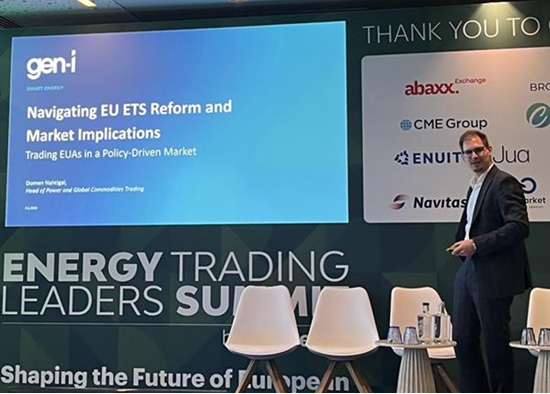
Carbon traders rethink risk management ahead of July EU ETS review
Upcoming reforms to the European Union Emissions Trading System (EU ETS) could reshape carbon market dynamics and force traders to focus more heavily on policy scenarios, according to a senior carbon trader.
Zak Jakubowski
3rd June, 2026
SEBI’s ‘dividend cap’ on clearing houses traps excess capital without benefit - expert
A plan to cap the dividend earned by stock exchanges from their clearing subsidiaries is reportedly under consideration by a panel constituted by the Securities and Exchange Board of India (SEBI), according to a report by Economic Times.
Aravind Bulusu

3rd June, 2026
Marex opens Japan office in APAC push
The London-based brokerage and clearing firm has launched operations in Japan, marking a significant expansion of its Asia Pacific strategy and strengthening its presence in one of the region’s most established capital markets.
Narayani Srinivasan