FIA releases guidelines for volatility brakes
27th September, 2023

The FIA has set out best practices for volatility control measures used by exchanges to dampen extreme price moves
Trade body the FIA has set out best practices for volatility control measures used by exchanges to dampen extreme price moves.
In a paper published on Tuesday, the Washington-based trade association laid out a framework on the design, triggers and use of the measures.
“FIA is pleased to publish this paper, which is the result of discussions with our members and several derivatives exchanges after recent tests of existing volatility control mechanisms (VCMs),” Jackie Mesa, chief operating officer and senior vice president of global policy at the FIA, said in an emailed statement. “We had a lot of questions from market participants about VCMs on derivatives exchanges, and this paper tries to address these questions and offer guidance.”
The issue of when and how to best use the measures, which has long attracted controversy, was addressed by the International Organisation of Securities Commissions (IOSCO) in a consultation in 2018. At the time, trade bodies had been clear that they preferred a tailored approach that could be adapted to different venues and markets. Since the Covid pandemic, the commodity market shock related to the crisis in Ukraine, and event driven volatility caused by rates policy moves have brought the issue to the fore.
“As we state in the paper, the exchanges themselves are the experts here and should be empowered to drive the improvement and implementation of VCMs going forward,” Mesa added. “A transparent approach that provides flexibility, from market to market and product to product, is the only way to balance the need to protect market integrity with the need to respect the critical process of price discovery during volatile times.”
At the end of last year, Intercontinental Exchange and the European Energy Exchange both voiced concerns about the implementation of gas price caps imposed by European authorities.
Related Articles
All Insights3rd June, 2026
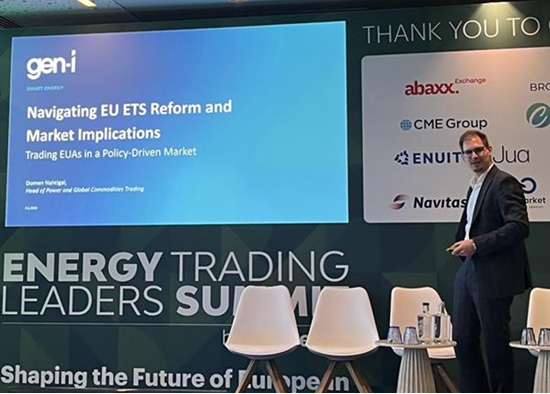
Carbon traders rethink risk management ahead of July EU ETS review
Upcoming reforms to the European Union Emissions Trading System (EU ETS) could reshape carbon market dynamics and force traders to focus more heavily on policy scenarios, according to a senior carbon trader.
Zak Jakubowski
3rd June, 2026
SEBI’s ‘dividend cap’ on clearing houses traps excess capital without benefit - expert
A plan to cap the dividend earned by stock exchanges from their clearing subsidiaries is reportedly under consideration by a panel constituted by the Securities and Exchange Board of India (SEBI), according to a report by Economic Times.
Aravind Bulusu

3rd June, 2026
Marex opens Japan office in APAC push
The London-based brokerage and clearing firm has launched operations in Japan, marking a significant expansion of its Asia Pacific strategy and strengthening its presence in one of the region’s most established capital markets.
Narayani Srinivasan