Post-trade still the weak link for banks - Acuiti
16th June, 2021
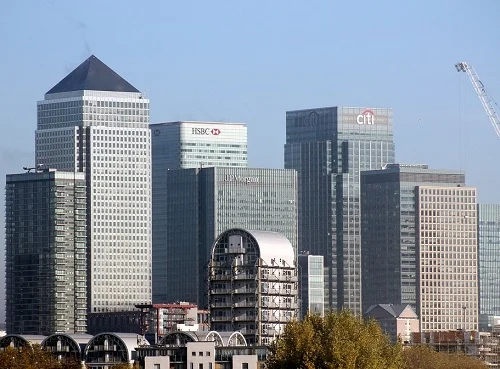
A study of 59 banks and brokerages by market intelligence firm Acuiti found that fewer than one in ten respondents said their post-trade operations were adequate
A lack of strategy compounded by the proliferation of systems means many investment banks’ middle and back offices are not fit-for-purpose, a new report has claimed.
A study of 59 banks and brokerages by market intelligence firm Acuiti found that fewer than one in ten respondents said their post-trade operations were adequate while over one third of respondents said their post-trade processes were inefficient.
The report, sponsored by fintech giant FIS, said that legacy technology, often in the back office, and a piecemeal approach to technology deployment have left many middle and back office staff reliant on multiple systems not designed to work together.
Acuiti found that almost two thirds of respondents have increased the number of vendor systems that they use over the past five years while the majority of firms believe modernisation will require a reduction of their vendor relationships.
Some three in five respondents said they were considering consolidating their vendor relationships. The primary reasons for this were lowered overall cost of ownership and improved straight-through processing.
While the respondents were keen to harmonise their middle and back offices, they did list some challenges around this endeavour, including the length of time taken to implement upgrades, the risk of disruptions during the process of modernisation and the lack of funding.
Some executives interviewed by Acuiti cited the career risk of investing in post-trade systems linked to the possibility of wholesale disruption and the relatively long time for a return-on-investment from post-trade projects.
Acuiti published in February a report that found the commercialisation of market data fees is on an unsustainable path, with costs to market participants rising by an average of between 50% and 100% over the past five years.
Related Articles
All Insights3rd June, 2026
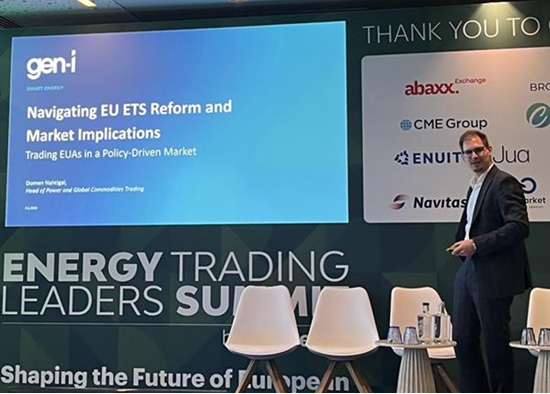
Carbon traders rethink risk management ahead of July EU ETS review
Upcoming reforms to the European Union Emissions Trading System (EU ETS) could reshape carbon market dynamics and force traders to focus more heavily on policy scenarios, according to a senior carbon trader.
Zak Jakubowski
3rd June, 2026
SEBI’s ‘dividend cap’ on clearing houses traps excess capital without benefit - expert
A plan to cap the dividend earned by stock exchanges from their clearing subsidiaries is reportedly under consideration by a panel constituted by the Securities and Exchange Board of India (SEBI), according to a report by Economic Times.
Aravind Bulusu

3rd June, 2026
Marex opens Japan office in APAC push
The London-based brokerage and clearing firm has launched operations in Japan, marking a significant expansion of its Asia Pacific strategy and strengthening its presence in one of the region’s most established capital markets.
Narayani Srinivasan