Back offices struggling with volumes - Acuiti
16th April, 2020

Respondents to the latest Acuiti report said they had seen "major issues" in their back offices and risk functions
Back offices are creaking under the strain of extreme trading volumes linked to the coronavirus pandemic, new research has said.
The latest report from intelligence firm Acuiti said that nearly three fifths (58%) of respondents from banks or brokers had reported “major issues” with their back offices and risk management functions.
The research blamed the record trading volumes seen in March, which led the world’s top derivatives markets to report unprecedented monthly volumes.
Respondents to the Acuiti survey said the higher volumes had boosted March revenue for the second consecutive month, with almost four fifths (78%) citing higher year-on-year earnings last month.
Yet some 14% of respondents said they had seen significantly lower revenue due to “trading losses and operational challenges from the shift to working from home”.
Will Mitting, managing director and founder of Acuiti, said in a statement on Thursday: “Higher volumes are leading to increased revenues for many in the market. However, as well as the great concern over the wellbeing of employees in the here and now, we are picking up growing concerns about what comes next in this crisis with the potential return to central bank domination of markets and long-term low interest rates.”
The uncertainty over the short-to-medium term was reflected in the Acuiti Derivatives Sentiment Index, which fell last month to its lowest levels since the index launched in April 2019.
Last month, just 28% of respondents expected higher revenues over the next three months while 18% predicted significant declines in earnings.
With regard to the COVID-19 pandemic, Acuiti said the impact on staff was the major concern for most firms. Acuiti’s 550 respondents are also worried about the solvency of end-clients, such as proprietary trading firms, and their ability to satisfy higher margin calls.
Related Articles
All Insights3rd June, 2026
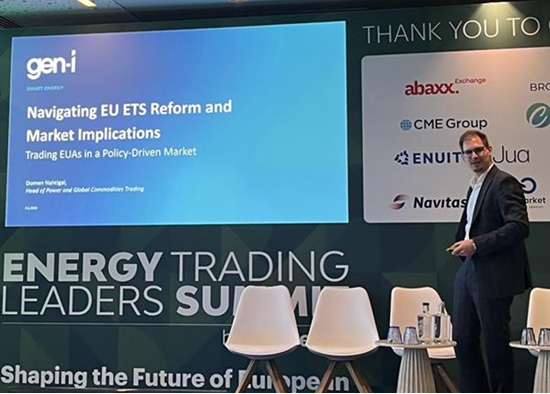
Carbon traders rethink risk management ahead of July EU ETS review
Upcoming reforms to the European Union Emissions Trading System (EU ETS) could reshape carbon market dynamics and force traders to focus more heavily on policy scenarios, according to a senior carbon trader.
Zak Jakubowski
3rd June, 2026
SEBI’s ‘dividend cap’ on clearing houses traps excess capital without benefit - expert
A plan to cap the dividend earned by stock exchanges from their clearing subsidiaries is reportedly under consideration by a panel constituted by the Securities and Exchange Board of India (SEBI), according to a report by Economic Times.
Aravind Bulusu

3rd June, 2026
Marex opens Japan office in APAC push
The London-based brokerage and clearing firm has launched operations in Japan, marking a significant expansion of its Asia Pacific strategy and strengthening its presence in one of the region’s most established capital markets.
Narayani Srinivasan