Modelling scenarios to reduce risk and optimise collateral in securities lending
14th October, 2019

In conversation with Matt Wolfe, vice president of strategic planning and development at OCC
In conversation with Matt Wolfe, vice president of strategic planning and development at OCC
OCC, which is the world’s largest equity derivatives clearing organisation and operates two stock loan programmes, has made additional tools available to help firms determine the most effective ways in which to optimise their collateral and manage risk.
“We take equities as margin deposits, so we look at the effect of those equities upon the other derivatives, futures, securities and stock loan positions that clearing member firms may have and look at ways that the equity collateral is increasing or reducing risk in a portfolio,” explains Matt Wolfe, OCC’s vice president of strategic planning and development. “We are introducing a number of innovations around portfolio stress testing to look at possible price, volatility, and correlation changes and resulting effects upon clearing members’ accounts.”
This includes risk methodologies for specific scenarios, such as the impact of closely correlated collateral, and could be a model for more effective risk management of non-cleared loans. “If the assets provided as collateral are all highly correlated and there is suddenly a downturn then every piece of collateral that the lender is holding would drop in value, so it is important for lenders to consider that and incorporate it into their valuation,” says Wolfe. “Ideally, lenders would have a balanced, diversified portfolio of collateral. If that’s not feasible, they should make sure they are asking for a sufficient amount of those correlated assets.”
Another key element for lenders to consider is volatility. “Traditionally, collateral is valued using a standardised haircut, but not all securities are alike,” points out Wolfe. “Thinking about the volatility of each security is an important component of the valuation so that a lender can be confident that over the two to three days that it might take to liquidate a position if needed, it has the right level of collateral there. Using a static haircut means that a lender is either requiring too much collateral because it’s taking too conservative of an approach, or they’re under-collateralised because the valuation parameter is too low and the securities are more volatile than it has asked for.”
By investing in the development of risk management tools such as portfolio valuation methodologies, OCC is not only looking to assist its members but also to support its mission of ensuring sound financial markets. “We welcome the opportunity to share our thoughts on effective risk management practices and how to incorporate factors like volatility and correlation into the broader ecosystem outside of OCC,” says Wolfe.
This thought leader features in the Collateral in 2020 Guide. Download the full guide here.
Related Articles
All Insights3rd June, 2026
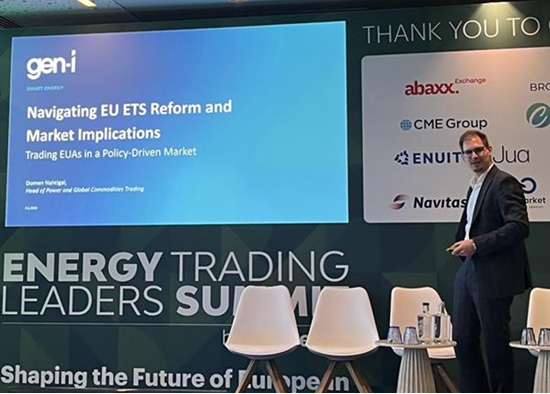
Carbon traders rethink risk management ahead of July EU ETS review
Upcoming reforms to the European Union Emissions Trading System (EU ETS) could reshape carbon market dynamics and force traders to focus more heavily on policy scenarios, according to a senior carbon trader.
Zak Jakubowski
3rd June, 2026
SEBI’s ‘dividend cap’ on clearing houses traps excess capital without benefit - expert
A plan to cap the dividend earned by stock exchanges from their clearing subsidiaries is reportedly under consideration by a panel constituted by the Securities and Exchange Board of India (SEBI), according to a report by Economic Times.
Aravind Bulusu

3rd June, 2026
Marex opens Japan office in APAC push
The London-based brokerage and clearing firm has launched operations in Japan, marking a significant expansion of its Asia Pacific strategy and strengthening its presence in one of the region’s most established capital markets.
Narayani Srinivasan