Stopping the pendulum's swing
5th March, 2019
By Deborah Cunningham, Chief Investment Officer Global Liquidity Markets, Federated Investors
By Deborah Cunningham, Chief Investment Officer Global Liquidity Markets, Federated Investors
Federal Reserve Chair Jerome Powell has been using the word “patience” lately as if trying to quiet kids in the back seat of a car repeatedly asking, “Are we there yet?”
But his mantra is really more about him than investors—an attempt to check the market volatility he largely created by vacillating in the fourth quarter of 2018. While inconsistency can spook investors, swinging like a pendulum from hawkish to dovish is actually worse because it suggests a reversal is coming. We think Powell wants to let time pass to calm the markets before making the next hike, which we still think will come later in 2019.
Our reasoning is that economic and political uncertainties likely will resolve positively. Don’t let the fourth-quarter slowdown in GDP growth fool you. Consumer spending was still solid, and business investment accelerated. This year, housing is showing signs of improvement and the job market remains robust, so much so it has the potential to (finally) push up wages and become inflationary. With trade talks with China proceeding well, recession fears receding and Brexit soon to be behind us one way or another, upside surprises are possible, if not probable.
Not that we expect any surprises at the Federal Open Market Committee meeting this month. Powell already has mentioned that clarity on the future of the balance sheet runoff is forthcoming, so that will probably be announced. That's a central part of policymakers’ desire to have the federal funds rate be the only policy tool the market considers. (It almost goes without saying that target range is not expected to move from 2.25% to 2.5% at this meeting.)
Cash, then, is in a good place. If volatility returns, liquidity products stand to again reap haven-seeking money. If the economy firms, a potential hike likely would improve return. Don’t forget: not even Warren Buffett has the patience of cash managers. We handled a half decade of zero rates, so waiting a little longer when we are enjoying returns at or above inflation suits us just fine. In practical terms, we are addressing this by staying short—our version of keeping dry powder for when rates rise—or buying variable-rate paper. Our position is that the flat money market yield curve is bound to steepen, leading us to keep the weighted average maturities (WAM) of our government funds at 25-35 days and prime and municipal funds at 30-40 days. Lastly, while the suspension of the debt ceiling ends this month, the Treasury Department has the means to operate until July and, if tax receipts are strong, these extraordinary measures could last until autumn, so no worries at this time.
Over the month of February, 1-, 3- and 6-month London interbank offered rates (Libor) slipped, ending at 2.49%, 2.63% and 2.69, respectively.
Related Articles
All Insights3rd June, 2026
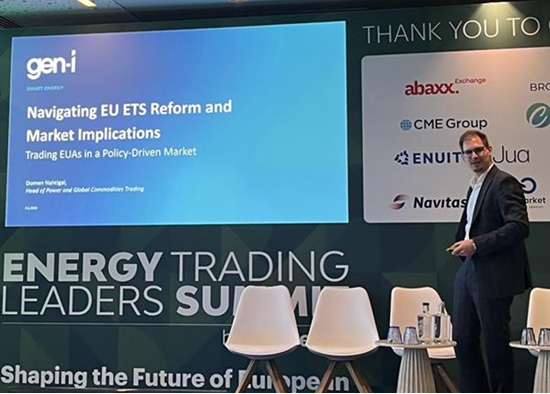
Carbon traders rethink risk management ahead of July EU ETS review
Upcoming reforms to the European Union Emissions Trading System (EU ETS) could reshape carbon market dynamics and force traders to focus more heavily on policy scenarios, according to a senior carbon trader.
Zak Jakubowski
3rd June, 2026
SEBI’s ‘dividend cap’ on clearing houses traps excess capital without benefit - expert
A plan to cap the dividend earned by stock exchanges from their clearing subsidiaries is reportedly under consideration by a panel constituted by the Securities and Exchange Board of India (SEBI), according to a report by Economic Times.
Aravind Bulusu

3rd June, 2026
Marex opens Japan office in APAC push
The London-based brokerage and clearing firm has launched operations in Japan, marking a significant expansion of its Asia Pacific strategy and strengthening its presence in one of the region’s most established capital markets.
Narayani Srinivasan