Saudi, Qatar banks best placed among GCC peers
20th October, 2016
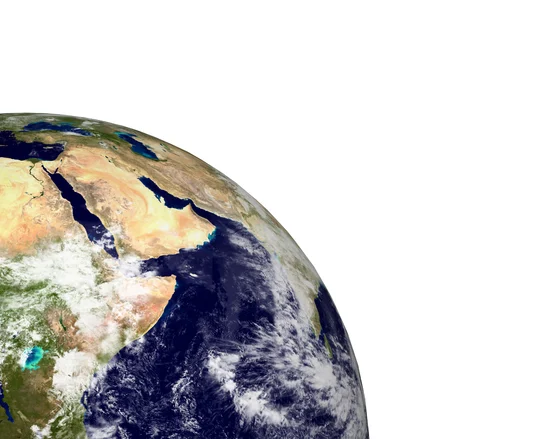
Low oil prices and conflicts continue to weigh on economic activity in the Middle East
Banks in Saudi Arabia and Qatar are better placed than GulfCooperation Council (GCC) peers to cope with a deterioration in assetquality brought about by a prolonged period of weak oil prices, says FitchRatings.
After examining the impact of lower for longer oil prices,Fitch analysts reckon loss-absorption capacity in the Saudi banking sectorranks highest among GCC countries and that both Saudi Arabia and Qatar wouldcontinue to offer the soundest lending opportunities.
“The operatingenvironment is a positive ratings factor for banks in Saudi Arabia, Qatar and theUAE. In our view, business opportunities are strongest in Saudi Arabia and theUAE, reflecting the countries' larger and more diversified economies.,” saidEric Dupont, senior director, financial institutions at Fitch Ratings.
“In Qatar, we are not expecting any significant cuts togovernment spending and numerous government-sponsored projects continue toprovide profitable, low-risk, lending opportunities for banks," Dupont added.
In Kuwait, Fitch experts forecast little change to governmentspending patterns, while in Oman and Bahrain, weak oil prices weighs negativelyon asset quality reflecting the smaller scale of public-sector spending andindirectly fewer lending opportunities in those countries.
The house view at the ratings agency is that GDP will continue to grow in2017 and 2018 across all GCC countries and oil prices will climb to $55 abarrel by 2018.
This week the IMF urged policymakers across the GCC to remainvigilant about the financial stability risks, especially tightening liquidityand the risk of deteriorating asset quality.
"Middle East oil exporters continue to face an exceptionally challengingenvironment as low oil prices and conflicts continue to weigh on economicactivity, fiscal and external balances, and the financial sector," IMF experts wrote in a report.
"Many have made progress in fiscal consolidation, yetsustained efforts will be required over the medium term to place public financeson a sound footing.
"Plans to diversify economies away from oil and create jobsfor the rapidly growing populations have also been announced. Such economic transformationwill take time."
Related Articles
All Insights3rd June, 2026
Carbon traders rethink risk management ahead of July EU ETS review
Upcoming reforms to the European Union Emissions Trading System (EU ETS) could reshape carbon market dynamics and force traders to focus more heavily on policy scenarios, according to a senior carbon trader.
Zak Jakubowski

3rd June, 2026
SEBI’s ‘dividend cap’ on clearing houses traps excess capital without benefit - expert
A plan to cap the dividend earned by stock exchanges from their clearing subsidiaries is reportedly under consideration by a panel constituted by the Securities and Exchange Board of India (SEBI), according to a report by Economic Times.
Aravind Bulusu

3rd June, 2026
Marex opens Japan office in APAC push
The London-based brokerage and clearing firm has launched operations in Japan, marking a significant expansion of its Asia Pacific strategy and strengthening its presence in one of the region’s most established capital markets.
Narayani Srinivasan